
What Is an Orthodontic Emergency? What to Do Right Away
 Marlo A Miller DDS Marketing on
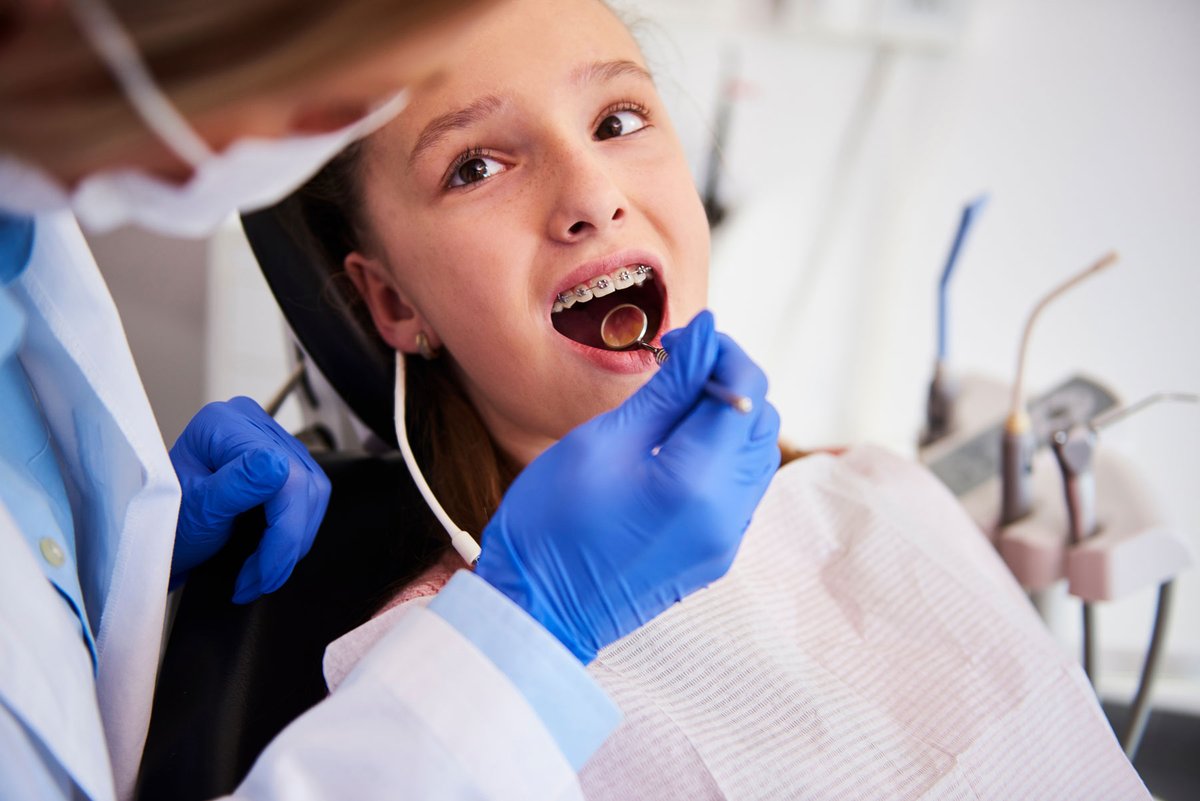
An orthodontic emergency is any problem with your braces, aligners, or mouth that causes real pain, bleeding, or injury and needs prompt care. Here is the reassuring part. Most brace troubles are minor. A loose bracket or a wire that rubs your cheek is annoying, but you can usually ease it at home and then call your orthodontist. A true emergency, such as a blow to the face or a knocked-out tooth, is rare, and it needs urgent help right away.
At Marlo A. Miller, DDS, MS Orthodontics (For Your Grin) in Yukon, Oklahoma, we care for families across Yukon and West Oklahoma City. This guide explains what counts as an orthodontic emergency, the simple steps you can take at home, and when to pick up the phone. Dr. Marlo Miller and our team reserve Friday mornings for emergency appointments, so help is close by.
Key Takeaways
- Most orthodontic problems are uncomfortable but not dangerous, and many can be eased at home.
- A poking wire can often be tucked flat with a clean pencil eraser or covered with soft orthodontic wax.
- A loose bracket is rarely urgent. Hold it in place with wax, save any piece that falls off, and call to schedule a repair.
- A knocked-out permanent tooth is a true emergency. Teeth treated within 30 minutes to one hour have the best chance, so get to a dentist or emergency care fast.
- For any urgent problem, call For Your Grin in Yukon at (405) 577-6453. Every patient gets a personal plan, and results vary from person to person.
What counts as an orthodontic emergency?
Most orthodontic problems are uncomfortable but not dangerous, according to the American Association of Orthodontists (AAO), the national body for orthodontic specialists. Only a small number, especially those that involve injury to the teeth, mouth, or face, need urgent attention.
It helps to sort problems into two groups. Minor issues can wait a day or two and often calm down at home. These include a loose bracket (the small metal or ceramic piece bonded to each tooth), a poking archwire (the thin wire that connects the brackets), mild soreness after an adjustment, or a bit of food stuck in the braces.
Urgent issues need prompt care. These include a hard blow to the face or jaw, a tooth that is knocked out or pushed out of place, heavy bleeding that will not stop, swelling that makes it hard to breathe or swallow, or pain that is severe and getting worse. When you are not sure which group you are in, call us and describe what happened. We would rather hear from you.
Loose or broken bracket: what to do
A loose bracket is rarely a true emergency, and a simple fix buys you time. If the bracket is still attached to the wire, you can leave it in place and use a small piece of orthodontic wax, a soft dental wax you press over the spot, to hold it in a more comfortable position, as the AAO advises.
Follow these steps:
- Do not pull the loose bracket off. If it comes off on its own, save it in a small bag or container.
- Cover any sharp edge with orthodontic wax so it stops rubbing your cheek or tongue.
- Eat soft foods and skip anything hard, chewy, or sticky until the bracket is fixed.
- Call our office to schedule a repair. A broken bracket cannot guide your teeth properly, and leaving it can slow your progress.
You can learn more about braces and retainers on our orthodontist services page. If you wear a retainer that cracks or no longer fits, keep wearing the last one that did fit and call us.
Poking or broken wire: how to get relief
A wire that pokes the inside of your cheek is common and usually easy to settle. “Try using a clean pencil eraser or cotton swab to gently push the wire toward the tooth so it lies flat,” advises the AAO. If it still bothers you, cover the end with orthodontic wax to create a smooth surface.
A wire that has slipped out of place can sometimes be tucked back with the eraser trick above. If a very long wire keeps cutting your cheek and you cannot reach us, clean nail clippers can trim the loose end behind the last tooth it is tied to. Call us first if you can, and never ignore a wire that is drawing blood or causing a sore.
Rinsing with warm salt water can soothe a raw spot while you wait. Reach out through our contact page or by phone, and we will get you comfortable.
Soreness, mouth sores, and a lost aligner or retainer
Tenderness after braces are placed or adjusted is normal and is not an emergency. Your teeth are being moved gently, so the ache usually fades on its own. Rinse with warm salt water, stick to soft foods for a day or two, and use an over-the-counter pain reliever only if your physician or pharmacist says it is safe for you.
Small sores on the inside of the lip or cheek are also common. Smooth any rough spot with wax, and keep the area clean. If a sore lasts more than a week or two, or looks infected, call us so we can take a look.
Lost or cracked a clear aligner tray? Go back to your previous tray so your teeth do not drift, then call us for the next steps. You can read about our uSmile clear aligners, which are made in the USA and designed by orthodontists, and find helpful forms and instructions in our patient center.
A knocked-out or injured tooth is a true emergency
A knocked-out permanent tooth is a genuine emergency, and fast action gives the best chance of saving it. Teeth treated within 30 minutes to one hour have the best chance of success, according to Cleveland Clinic. Dental injuries are far from rare, too. Researchers estimate that about one billion living people have experienced a traumatic dental injury.
If a permanent tooth is knocked out, act quickly and calmly:
- Pick up the tooth by the crown, the white chewing surface, and avoid touching the root.
- If it is dirty, rinse it gently with water or milk. Do not use soap, and do not scrub or dry it.
- If you can, place the tooth back in its socket and hold it there by biting on clean gauze.
- If you cannot reinsert it, store the tooth in milk, not water. You can also tuck it inside the cheek so saliva keeps it moist.
- Get to a dentist or emergency room right away, then call our office about your braces or appliance.
Outcomes vary from patient to patient, so a saved tooth is never guaranteed. Acting within that first hour simply gives the tooth its best odds. A tooth that is pushed loose or shoved out of line, rather than fully out, also needs prompt care.
Prevent orthodontic emergencies: mouthguards and food rules
A little prevention keeps most emergencies from ever happening, and it starts with protecting your mouth during sports. Mouthguard users are between 82% and 93% less likely to suffer dentofacial injuries, and the risk of an orofacial injury runs 1.6 to 1.9 times higher in players who skip one, reports the American Dental Association. If you play sports while wearing braces, ask us about a mouthguard that fits over them.
Food choices matter just as much. Hard, crunchy, and sticky foods are the usual cause of a broken bracket or wire. Skip ice, hard candy, popcorn kernels, whole nuts, caramel, and gum. Cut apples and raw carrots into small pieces. Keep a small braces kit at home with orthodontic wax, a mirror, and clean nail clippers, so you are ready for the little surprises.
Keeping your regular checkups also lets us catch a loose band or worn wire before it turns into a problem. Our orthodontist services page explains what each visit covers.
When to call For Your Grin in Yukon
For any urgent orthodontic problem, the AAO advises that you inform your orthodontist as soon as possible. A quick call often saves a trip, because many issues can be handled with a few words of guidance over the phone.
Here is how to reach us in Yukon, serving Yukon and West Oklahoma City:
- Phone: (405) 577-6453
- Address: 816 S Mustang Rd, Yukon, OK 73099
- Email: [email protected]
- Hours: Monday to Thursday, 8:00 AM to 4:00 PM, and Friday, 8:00 AM to 12:00 PM for emergency appointments only. We are closed Saturday and Sunday.
If your problem is a knocked-out tooth, uncontrolled bleeding, or trouble breathing, treat it as a medical emergency first and seek emergency care, then call us. For loose brackets, poking wires, and soreness, book through our contact page and we will schedule you. Not sure whether to worry? Our signs it is time to see an orthodontist post can help, and Dr. Miller creates a personal plan for every patient at consultation.
Frequently Asked Questions
Is a loose bracket an orthodontic emergency?
Usually no. The AAO notes that most orthodontic problems are uncomfortable but not dangerous. Cover the bracket with orthodontic wax to stop it rubbing, avoid hard and sticky foods, and call us to schedule a repair. Leaving a broken bracket in place can slow your treatment, so do not put the call off for long.
What should I do if a wire is poking my cheek?
Gently push the wire flat with a clean pencil eraser or cotton swab, as the AAO suggests, then cover the end with wax. Warm salt water rinses ease a sore spot. If the wire keeps cutting your cheek and you cannot reach us, clean nail clippers can trim the loose end, but call us first when you can.
My child knocked out a permanent tooth. What should I do first?
Act fast. Pick the tooth up by the crown, rinse it gently, and if possible place it back in the socket. If you cannot, store it in milk and get to a dentist or emergency room, because teeth treated within 30 minutes to one hour have the best chance, per Cleveland Clinic. Then call our office about the braces.
Do I need a mouthguard if I play sports with braces?
It is a smart safeguard. The ADA reports that mouthguard users are 82% to 93% less likely to suffer dentofacial injuries. A mouthguard also shields your lips and cheeks from your brackets during contact. Ask us about a guard that fits comfortably over braces.
How fast should I call my orthodontist?
For urgent problems, call as soon as you can. The AAO advises telling your orthodontist right away about any urgent issue. Even for minor troubles like a loose bracket, a same-week call lets us protect your progress and keep your treatment on schedule.