
Crossbite Treatment in Yukon, OK: Causes and Options
 Marlo A Miller DDS Marketing on
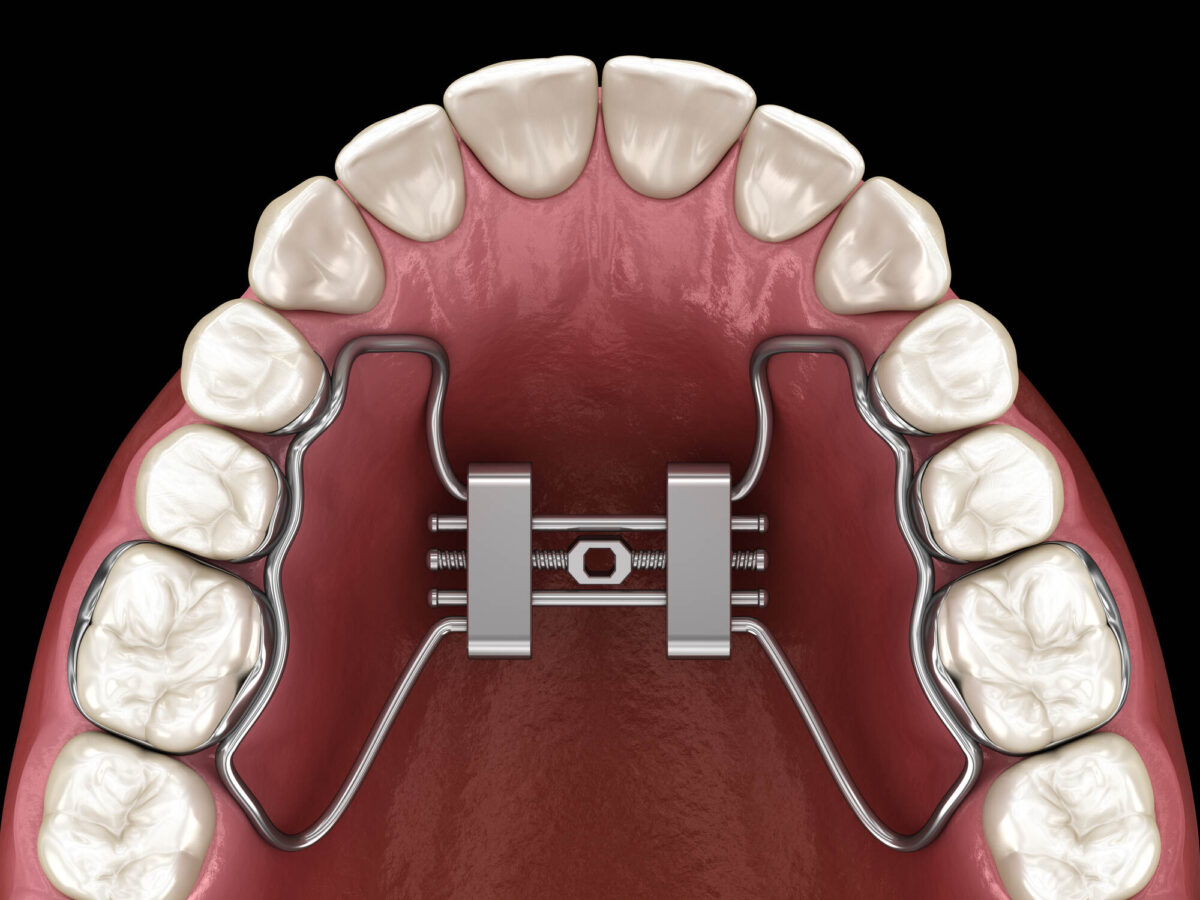
A crossbite is a bite problem where some upper teeth sit inside the lower teeth when you close your mouth, instead of resting just outside them, as Cleveland Clinic explains. Crossbite treatment gently moves those teeth, and sometimes widens a narrow upper jaw, so the bite lines up the way it should. At Marlo A. Miller, DDS, MS Orthodontics in Yukon, this is one of the bite issues we see often in children, teens and adults across Yukon and West Oklahoma City.
Here is the reassuring part. A crossbite is common, and it is treatable. The American Association of Orthodontists recommends that every child have a first orthodontic check by age 7, which is often when a crossbite is first spotted. This guide explains what a crossbite is, why it is worth treating, and the options available at each age. Every mouth is different, so results vary from patient to patient, and Dr. Miller builds a personal plan for each person she sees.
Key Takeaways
- A crossbite means one or more upper teeth close inside the lower teeth, rather than just outside them.
- It is common. One study of young children found a posterior crossbite in about 10 percent of them.
- Left untreated, a crossbite is linked to uneven wear, gum problems and jaw joint strain, so an evaluation is worth it.
- Options include braces, uSmile clear aligners and, for a narrow upper jaw, a palate expander. The right choice depends on age, cause and severity.
- The AAO recommends a first orthodontic check by age 7. Earlier care can be simpler, but adults have good options too.
What is a crossbite?
Cleveland Clinic defines a crossbite as a bite where your upper teeth fit inside your lower teeth when you close your mouth. In a healthy bite, the upper teeth rest slightly outside the lower teeth, a little like a lid sitting over a box. When that pattern is reversed, even on one tooth, it is called a crossbite.
There are two main kinds. An anterior crossbite affects the front teeth, so one or more upper front teeth close behind the lower ones. A posterior crossbite affects the back teeth, the molars and premolars, on one or both sides. Sometimes the lower jaw slides to one side to find a comfortable spot to bite. That small shift is easy to miss at home, which is one reason a professional check matters.
How common are crossbites, and what causes them?
Crossbites are more common than many parents expect. A study of young children published in the European Journal of Orthodontics found a posterior crossbite in 10.4 percent of them, and it was linked to age and to sucking habits. In the same group, sucking habits like thumb sucking and pacifier use were common, at 43.5 percent.
So what causes a crossbite? A few things. Genetics and a naturally narrow upper jaw play a large role. Long term thumb or pacifier habits can shape a growing mouth, as that study shows. Mouth breathing and a low tongue posture can also change how the jaws develop over time, which is why Dr. Miller looks at breathing and airway function as part of a full evaluation, not just the position of the teeth.
Why treating a crossbite matters
A crossbite is not only about how a smile looks. Research links anterior and posterior crossbites to a higher chance of jaw joint problems, including disc displacement in the temporomandibular joint, the hinge that connects the jaw to the skull, according to a cross sectional study published in the National Library of Medicine. When teeth do not meet correctly, the load on that joint and on the teeth is uneven.
Over time, an untreated bite problem can contribute to gum recession, jaw pain, tooth erosion and even sleep issues, Cleveland Clinic notes. Uneven teeth are also harder to clean well. None of this is meant to alarm you. It simply explains why an evaluation is worth the time. Treating a crossbite aims to spread the bite forces evenly and protect the teeth and joints, and outcomes vary from patient to patient.
Crossbite treatment options
There is no single fix, because the right treatment depends on the cause. Cleveland Clinic lists braces and clear aligners among the common ways an orthodontist moves teeth into better alignment. Here is how the options work at our Yukon practice.
- Braces. Traditional metal braces, Clarity ceramic braces and Incognito hidden braces can move individual teeth out of a crossbite with steady, controlled pressure. You can read more about the braces and retainers we offer on our services page.
- uSmile clear aligners. For suitable cases, uSmile clear aligners, which are made in the USA and designed by orthodontists, are a removable alternative to braces. Learn how clear aligners fit into a treatment plan.
- Palate expander. When a posterior crossbite comes from a narrow upper jaw, a palate expander gently widens the jaw so the upper teeth can meet the lower teeth correctly. Cleveland Clinic describes the palate expander as a device often recommended for a crossbite.
- The Myobrace System for growing children. For children who are still growing, the Myobrace System is a pre orthodontic option designed to guide jaw development and tooth position early. It is intended for growing children, not adults.
Which option is right, and how long it takes, depends on age, cause and severity. Dr. Miller reviews each case and gives every patient a personal plan at their consultation. Results vary, and no honest orthodontist can promise an exact outcome in advance.
The best age to treat a crossbite
Timing matters with a crossbite. The American Association of Orthodontists recommends a first orthodontic check by age 7 and lists crossbite among the problems that can benefit from early treatment, because early care can help guide the growth of the facial and jaw bones while a child is still developing.
The jaw is easier to influence while it is still forming. Cleveland Clinic notes that orthodontists often begin a palate expander around age 7 or 8, while the jawbones are still developing, and that in children the desired change can take two to three months. In teens and adults, whose bones are fully developed, the same device can take up to a year. That is why earlier care is often simpler.
Here is the encouraging news for older patients. It is not too late as an adult. Many adults correct a crossbite with braces or clear aligners. If you have put treatment off, the best step is to book a consultation so Dr. Miller can discuss which options suit you. Not sure what to expect? Our guide on how to prepare for your first orthodontist visit walks you through it.
Crossbite care in Yukon and West Oklahoma City
If you or your child has a crossbite, the next step is a professional evaluation. Marlo A. Miller, DDS, MS Orthodontics is a specialist orthodontic practice in Yukon, serving families across Yukon and West Oklahoma City. We are located at 816 S Mustang Rd, Yukon, OK 73099.
To get started, call (405) 577-6453 or contact our office to request a visit. Our hours are Monday to Thursday, 8:00 AM to 4:00 PM, and Friday, 8:00 AM to 12:00 PM for emergency appointments only. Dr. Miller will look at the whole bite, explain what she sees in plain language, and build a plan that fits your family.
Frequently Asked Questions
What exactly is a crossbite?
A crossbite is a bite where one or more upper teeth close inside the lower teeth, instead of just outside them, as Cleveland Clinic explains. It can affect the front teeth, the back teeth, or both, and it can appear on one side or both sides.
What causes a crossbite?
Common causes include a naturally narrow upper jaw, genetics, and long term thumb or pacifier habits. A study in the European Journal of Orthodontics linked posterior crossbite in young children to sucking habits, which were present in 43.5 percent of the group.
What happens if a crossbite is not treated?
An untreated crossbite is linked to uneven tooth wear, gum recession and jaw pain, and research also connects crossbites to a higher chance of jaw joint problems. An evaluation helps you understand the risk for your own case.
When should my child first be checked for a crossbite?
The American Association of Orthodontists recommends a first orthodontic check by age 7. Many children checked at this age are simply monitored, and treatment starts only if and when it is needed.
Can adults get crossbite treatment?
Yes. Adults are often treated with braces or clear aligners. Cleveland Clinic notes that jaw changes can take longer in adults because the bones are fully developed, so a personal plan matters. Book a consultation to talk through your options.