
Types of Retainers After Braces: A Simple, Clear Guide
 Marlo A Miller DDS Marketing on
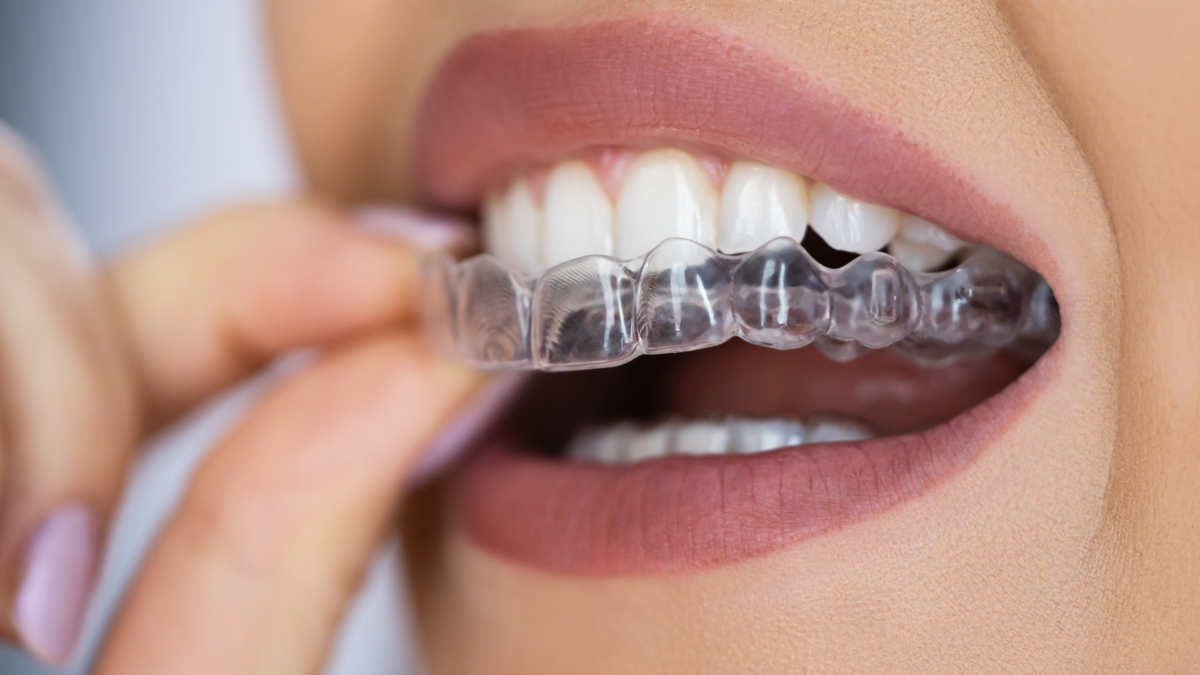
Once your braces come off, one small appliance does a big job: your retainer. It holds your teeth in their new positions while the bone and gum tissue settle. If you are weighing your options in Yukon or West Oklahoma City, the good news is that there are only a few main types of retainers to understand, and each one has a clear purpose. This guide walks through the three most common styles, how long you wear them, and how to choose with help from an orthodontist.
Key Takeaways
- The three main types of retainers are Hawley (wire and acrylic), clear (Essix), and fixed (bonded behind the teeth).
- A retainer does not straighten teeth. It keeps teeth in the position your treatment already reached.
- Most people wear a retainer full time for a few months, then at night long term. Results vary from patient to patient.
- No single type is proven best for everyone, so the right choice is a personal one made at a consultation.
- At For Your Grin in Yukon, OK, Dr. Miller provides retainers as part of your care plan when treatment is complete.
What are the main types of retainers?
The American Association of Orthodontists groups retainers into two families: fixed retainers that are bonded to the back of your teeth, and removable retainers you take in and out. Within those families, Cleveland Clinic describes three common styles you are likely to be offered: the Hawley retainer, the clear (Essix) retainer, and the fixed or bonded retainer.
Each style has the same goal. As Cleveland Clinic puts it, “Braces straighten your teeth. But your retainer keeps them that way.” The differences come down to how visible the retainer is, whether you can remove it, and how it fits your daily routine. Below, each type is broken down so you can picture how it would work for you. You can also see how retainers fit alongside braces on our braces and retainers page.
Hawley retainers: the adjustable classic
Cleveland Clinic describes a Hawley retainer as a piece of wire attached to plastic or acrylic that fits against the roof of your mouth or behind your lower teeth. It is the style many people picture when they hear the word retainer.
Hawley retainers are removable, which makes them easy to clean, and they are sturdy. Because they include an adjustable wire, an orthodontist can fine tune them over time if a small change is needed. The trade off is that the front wire is visible when you talk, and some people take a week or two to get used to the feel. For patients who want durability and simple care, a Hawley is a dependable choice.
Clear retainers (Essix): the low profile option
The AAO describes clear retainers as looking similar to clear aligners or night mouthguards, lighter and more difficult to see than a Hawley. Cleveland Clinic notes that this style, often called an Essix retainer, is clear molded plastic you wear over your teeth.
The appeal is obvious: a clear retainer is hard to spot, so many teens and adults prefer it. It fits snugly over the whole arch of teeth. Keep in mind that a clear retainer is not the same thing as a clear aligner. Aligners, like the uSmile clear aligners we offer, gently move teeth during active treatment, while a clear retainer holds teeth in place after treatment. Clear retainers can wear down with heavy grinding, so your orthodontist will talk with you about how to protect them.
Fixed (bonded) retainers: always in place
The AAO explains that fixed retainers are bonded inside the mouth, usually on the bottom teeth only, and are hidden because the wire sits behind the teeth. Cleveland Clinic adds that a fixed retainer stays on your teeth with a glue-like bonding agent. Some people call these permanent retainers, because they are not removable rather than because they promise a set outcome.
The main benefit is that you cannot forget to wear a fixed retainer, since it is always working. That makes it a common pick for the lower front teeth, which tend to crowd again first. The trade off is cleaning: you need to floss carefully around and under the wire. If a bonded retainer ever loosens, it is worth having it checked promptly so it keeps doing its job.
How long do you wear a retainer?
Cleveland Clinic advises that you will likely wear a retainer day and night for at least four to six months, then switch to wearing it at night for the rest of your life. The AAO agrees on the long view, answering the question of how long to wear a retainer with a simple word: ideally, forever.
That can sound like a lot, but nightly wear is a small habit that protects the work you already put in. Every mouth is different, so your exact schedule is something your orthodontist sets for you and adjusts as your bite settles. Results vary from patient to patient, which is why a personal plan matters more than a one size fits all rule.
Why retainers matter: what happens if you stop
The AAO explains that teeth, left to their own devices, will begin to move back toward their starting positions if nothing is done to prevent it. A peer-reviewed review of retainers published through the National Institutes of Health notes that the tissue anchoring a tooth may need up to 12 months to fully support that tooth in its new position, so the first year after braces is an important stretch.
In plain terms, teeth can drift if a retainer is not worn as directed. Cleveland Clinic is direct about it: if you do not wear your retainer, your teeth will shift and move. Wearing your retainer on schedule is the simplest way to keep your smile steady. If your retainer feels tight after a break, do not force it. Call your orthodontist so it can be checked.
Which type of retainer is right for you in Yukon?
A peer-reviewed review found there is not enough evidence to say one retainer type keeps results better than another, so the choice is individualized. That is where an orthodontist comes in. Dr. Marlo Miller looks at your bite, your daily habits, and which teeth are most likely to shift, then recommends the retainer that fits your life.
At For Your Grin, we serve families across Yukon and West Oklahoma City, and we provide retainers as part of your care when active treatment is complete. Teens often lean toward clear retainers for the low profile look, while a bonded lower retainer is a common choice for stability. Adults who are thinking about treatment or worried about old shifting can book a consultation to discuss which options suit them. You can also review what to expect and how to care for appliances on our patient center.
Frequently Asked Questions
How many types of retainers are there?
There are three common types of retainers: Hawley (wire and acrylic), clear or Essix (molded clear plastic), and fixed or bonded (a wire glued behind the teeth). The AAO sorts these into removable and fixed categories.
Are clear retainers the same as clear aligners?
No. A clear retainer holds teeth in place after treatment. A clear aligner, such as our uSmile clear aligners, is a series of trays that move teeth during active treatment. They can look alike, but they do different jobs.
How long will I need to wear a retainer?
Cleveland Clinic suggests full-time wear for about four to six months, then nightly wear long term. Your orthodontist sets the schedule that fits you, and results vary from patient to patient.
Do retainers hurt or feel tight?
A new retainer may feel snug at first, and that usually eases within days. If a retainer feels tight after you have skipped wearing it, your teeth may have started to shift. Do not force it. Contact your orthodontist to have it checked.
When should my child first see an orthodontist?
The AAO recommends a first orthodontic check-up by age 7, when a mix of baby and permanent teeth lets an orthodontist spot issues early. You can read how to get ready on our guide to a first orthodontist visit.
Where can I get retainers in Yukon, OK?
Marlo A. Miller, DDS, MS Orthodontics is located at 816 S Mustang Rd, Yukon, OK 73099. To ask about retainers or start treatment, call (405) 577-6453 or contact our team. You can also browse answers on our FAQs page.