
Retainer After Braces: How Long Should You Wear One?
 Marlo A Miller DDS Marketing on
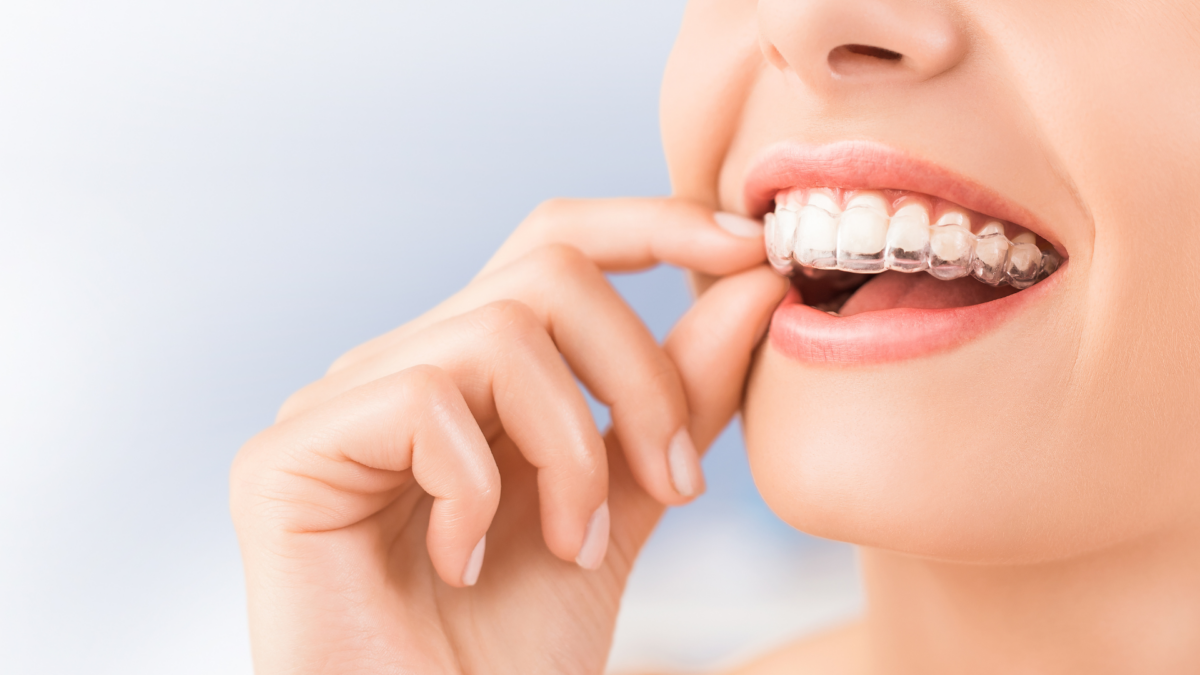
Getting your braces off is a big moment. The next step is what keeps that work in place. A retainer after braces holds your newly straightened teeth while the bone and gums settle around them. Wear it the way your orthodontist asks, and your smile stays put.
At Marlo A. Miller, DDS, MS Orthodontics in Yukon, Oklahoma, we fit every patient with retainers at the end of treatment and walk you through the plan. This guide answers the questions we hear most from families across Yukon and West Oklahoma City. How long do you wear a retainer? What are the different types? And how do you care for one so it lasts?
Key Takeaways
- A retainer after braces holds your teeth in their new position while the bone and gums settle.
- Most patients wear a retainer full time for about four to six months, then only at night, often for years or for life (Cleveland Clinic).
- Stop wearing it and teeth drift back, a change called relapse that often starts with the lower front teeth.
- Three common types exist: fixed (bonded), Hawley, and clear (Essix). Dr. Miller recommends the one that fits your bite.
- Clean it daily, keep it away from heat, and store it in its case, not a napkin.
How long do you wear a retainer after braces?
Most people wear a retainer full time for about four to six months, then only at night for a long time after that. Cleveland Clinic explains that you will likely wear your retainer day and night for at least four to six months, and after that, wear it at night for the rest of your life. The American Association of Orthodontists puts it in similar terms, noting that a retainer is typically necessary for a lifetime, though how often you wear it can drop over time.
Your exact schedule depends on your teeth. Some patients stay in a full-time phase a little longer. Others move to nights sooner. Dr. Miller checks your progress and gives you a personal retention plan at your appointment, because results vary from patient to patient. You can see the braces and retainers we provide on our orthodontic services page.
What happens if you stop wearing your retainer?
Stop wearing your retainer and your teeth begin to move. Cleveland Clinic is direct about it: if you do not wear your retainer, your teeth will shift and move. Even a short break matters. The same source notes that if you forget your retainer for a few weeks and your teeth have shifted, wearing it again may nudge them back, though it can feel tight.
This drift has a name. Orthodontists call it relapse. It often shows up first in the lower front teeth. A peer-reviewed review in the National Library of Medicine looks closely at this pattern, the tendency of the lower incisors to move after treatment ends. If your retainer starts to feel tight, that is a sign your teeth have begun to shift, so call us before you set it aside. Do not force a retainer that no longer fits. Our team can look at it and adjust your plan through the patient center.
Why do teeth drift back after braces?
Teeth drift because your mouth keeps changing after treatment. That same review in the National Library of Medicine explains that stability depends on the time the gum and periodontal tissues need to reorganize, on changes produced by growth, and on the forces of the periodontal ligament and gingival fibers. In plain language, the gum and bone around each tooth need months to firm up, your jaw keeps changing as you age, and the fibers that anchor each tooth carry a memory of where it used to sit.
Braces work with steady pressure. Cleveland Clinic describes braces as using mild, constant pressure to shift teeth into position over time, and it describes a retainer as the tool that prevents your teeth from shifting back into their old positions. The retainer is what guards all of those months of work. It does not move teeth. It holds the result.
Types of retainers: fixed, Hawley, and clear
There are three common retainers, and each holds teeth a little differently. Cleveland Clinic groups them this way: Hawley retainers use a wire attached to plastic or acrylic, Essix retainers are clear molded plastic worn over the teeth, and fixed or permanent retainers stay in place with a bonding agent. The American Association of Orthodontists describes the same three and notes that a fixed retainer is a slender wire bonded to the inside of the upper or lower teeth.
Here is how they compare in everyday use:
- Hawley: a removable wire-and-acrylic retainer that is sturdy and can be adjusted over time.
- Clear (Essix): a removable clear tray that is hard to notice when you talk or smile.
- Fixed (bonded): a thin wire glued behind the front teeth that works around the clock, with nothing to remember.
A clear retainer looks a lot like a clear aligner, but the two do different jobs. An aligner moves teeth. A retainer holds them. If you are still weighing treatment rather than finishing it, our uSmile clear aligners page covers the moving-teeth side. Dr. Miller will recommend the retainer that suits your bite and your daily routine.
How to take care of your retainer
A retainer only works when it stays clean and in one piece. The American Association of Orthodontists advises brushing a removable retainer after you take it out and before you put it back in, and it warns against harsh chemicals or very hot water, which can warp the material. Keep it out of hot cars and away from heaters and stoves for the same reason.
Storage matters just as much as cleaning. The AAO notes that using a napkin in place of a case is risky, because a wrapped retainer is very easy to throw away by accident. Pets are another hazard, since dogs love to chew retainers. So when your retainer is out of your mouth, it belongs in its case. A few simple habits keep a retainer working for years:
- Brush it gently each time you remove it.
- Rinse it with cool or lukewarm water, never hot.
- Snap it into its case rather than wrapping it in a napkin.
- Keep it away from pets and off warm surfaces.
- Bring it to your checkups so we can inspect the fit.
Retainers for teens and adults in Yukon and West OKC
Every patient who finishes treatment at our Yukon office leaves with a retention plan, not just their braces off. Dr. Marlo Miller is an orthodontist, a dental specialist who focuses on straightening teeth and aligning bites, serving families across Yukon and West Oklahoma City. We fit and monitor retainers after treatment with traditional metal braces, Clarity ceramic braces, Incognito hidden braces, and uSmile clear aligners.
Adults who put treatment off for years are welcome here. If you are an adult wondering which path fits your goals, book a consultation and we will talk it through together. Parents thinking ahead for a younger child can ask about growth-focused options at the same visit. Whatever stage you are at, keeping your results starts with the right retainer and a plan you can follow. Learn more about what we treat on our orthodontic services page.
Frequently Asked Questions
How long do I really have to wear my retainer at night?
Often for the long term. Cleveland Clinic recommends nighttime wear for the rest of your life after the first few months, and the American Association of Orthodontists notes that retention is typically needed for a lifetime, with less frequent wear over time. Nightly wear is a small habit that protects a big investment. Dr. Miller will tell you what your teeth need.
Are fixed or removable retainers better?
Both work well, and the best one depends on you. A fixed retainer stays bonded behind your teeth, so there is nothing to remember, but it asks for careful brushing and flossing. A removable retainer is easy to take out and clean, though it only helps when you actually wear it. Dr. Miller weighs your bite, your history, and your routine before recommending one.
My retainer is lost or broken. What should I do?
Call us soon, and do not go without it. Because teeth start to shift when a retainer is not worn, a gap of even a couple of weeks can let them move, as Cleveland Clinic points out. We can check your teeth and replace or repair the retainer before any drift sets in. Reach us through the contact page.
Does a new retainer hurt?
A little tightness is normal, especially after a break in wear, and it usually eases within a day or two as your teeth settle. A retainer should feel snug, not painful. If a retainer will not seat or it causes real discomfort, stop and call us rather than forcing it.
Will insurance or a payment plan cover my retainer?
Coverage varies from plan to plan, so it is worth checking your benefits with your provider. We give every patient a personal plan and go over your options at your consultation. You can find visit details and forms on our patient center, and more common questions on our FAQ page.
Ready to protect your new smile?
Keeping your results is the simple part when you have the right retainer and a plan to match. Call For Your Grin at (405) 577-6453 or book through our contact page. You will find us at 816 S Mustang Rd, Yukon, OK 73099, open Monday through Thursday from 8:00 AM to 4:00 PM and Friday mornings from 8:00 AM to 12:00 PM. Dr. Miller and our team will help you keep the smile you worked so hard for.