
Marlo A. Miller, DDS, MS Orthodontics

Who Is a Good Candidate for an Invisalign Aligner? Teens, Adults & Treatment Scope


An Invisalign Aligner offers a discreet, comfortable orthodontic solution for those seeking to straighten their teeth without metal brackets. Ideal candidates include individuals with mild to moderate crowding, spacing issues, or minor bite irregularities. Compliance plays a pivotal role, as the aligners must be worn for twenty to twenty-two hours each day to achieve optimal results. Prospective patients should demonstrate good oral hygiene habits and a commitment to follow treatment recommendations. A preliminary evaluation by an experienced orthodontist helps confirm that clear aligner therapy is appropriate for a patient’s unique dental anatomy.

Key characteristics of an ideal Invisalign candidate

A suitable candidate typically exhibits fully developed permanent teeth and healthy gum tissue free of significant periodontal disease. Responsible teenagers who can adhere to wearing aligners consistently often do well, provided they understand the importance of maintenance and follow-through. Adults seeking a cosmetic improvement commonly appreciate the virtually invisible appearance and the ability to remove aligners during meals and oral care. Those with severe malocclusion, large jaw discrepancies, or complex orthodontic needs may require traditional braces or surgical intervention rather than clear aligners. Ultimately, personal responsibility, regular dental check-ups, and meticulous care of appliances determine treatment success.

Age considerations: teens vs adults

Invisalign has tailored solutions for different age groups: Invisalign Teen features compliance indicators and eruption tabs for young patients, while standard aligners cater to adults. Mature adolescents around ages 12 to 17 often have all permanent teeth, making them prime candidates for clear aligner therapy. Adults in their 20s, 30s, and beyond encounter no maximum age limit, and aligners can address relapse from prior orthodontic work. Pediatric cases under age 12 may require early intervention with other orthodontic approaches. Before selecting a treatment path, a thorough assessment of jaw growth, tooth development, and personal habits guides the decision.

How is Invisalign Aligner suitability assessed?

A comprehensive orthodontic evaluation is the first step in determining candidacy for an Invisalign Aligner. Digital scanning and 3D imaging map tooth positions, enamel structure, and root alignment, enabling a detailed simulation of treatment progression. The orthodontist reviews dental history, evaluating past restorations, implants, or bridges that could influence aligner fit. Oral health status, including gum condition, cavity prevention, and jaw joint health, factors into the planning process. After analyzing scans, the provider devises a customized series of aligners designed to apply precise forces in sequence.

The role of clinical evaluation and 3D imaging

Clinical examinations measure bite relationships—overbite, underbite, crossbite—and detect asymmetries that clear aligners can correct. Advanced 3D imaging technology delivers high-resolution models for simulation software, allowing patients to preview their projected smile. This digital approach enhances communication between practitioner and patient, setting clear expectations. It also supports monitoring, as progress scans can be compared to the original plan and adjustments made if teeth do not track as intended. Such technological integration elevates treatment predictability and patient satisfaction.

Behavioral and lifestyle factors

Successful clear aligner therapy hinges on patient compliance, as aligners must remain in place except for eating, drinking non-water beverages, brushing, and flossing. Busy professionals and active teens should consider whether wearing aligners twenty hours a day aligns with their routines. Individuals who frequently snack or play wind instruments must adapt habits to accommodate appliance removal and reinsertion. For those with variable schedules, built-in reminders and smartphone apps help maintain adherence. Lifestyle alignment prevents treatment delays and reduces the risk of extended treatment duration.

Common aligner suitability issues and how to address them

Certain orthodontic challenges, such as rotated molars or teeth with extreme angulation, may require attachments—small tooth-colored bumps bonded to tooth surfaces—to facilitate precise movements. While attachments increase versatility, some patients prefer minimal bonding for aesthetic reasons. In cases of pronounced bite discrepancies or skeletal issues, adjunctive treatments like elastics or temporary anchorage devices (TADs) might integrate with the Invisalign protocol. Proper management of periodontal concerns and cavities before commencing aligner therapy ensures that dental health does not undermine progress. Open communication with the orthodontist allows timely problem resolution if an aligner does not fit correctly.

IssueRecommended Solution
Rotated or tilted teethAddition of tooth-colored attachments
Severe overbite or crossbiteUse of elastics or TADs alongside aligners
Inadequate complianceSmartphone tracking apps and compliance indicators
Gum inflammation or decayPre-treatment periodontal therapy and restorations
Poor aligner fitMid-course digital scan and treatment refinement

Invisalign for teens: candidacy and considerations

Adolescents benefit from Invisalign Teen when they understand the importance of diligent wear and maintenance. The aligners include blue wear-time indicators that fade as compliance increases, giving parents and orthodontists objective feedback. Teen patients must have positive attitudes toward oral hygiene and be willing to attend routine visits every eight to twelve weeks. Clear aligner therapy empowers teens to maintain a natural appearance during social and extracurricular activities. However, busy school schedules and sports can challenge consistent wear, making parental support and clear guidelines essential.

Addressing growth and dental development

Teenage jaw growth continues until the late teens, impacting treatment timing and sequence. Orthodontists evaluate growth potential through cephalometric X-rays and clinical measurements. If growth remains active, aligning bones and teeth simultaneously may produce more efficient results, sometimes necessitating early interceptive treatment. Alternatively, waiting until growth plate closure in late adolescence offers a more stable foundation for tooth movement alone. The choice depends on individual growth patterns, orthodontic goals, and patient readiness.

Scope of treatment with clear aligner therapy

Clear aligner therapy excels at correcting mild to moderate dental crowding, gaps, and bite irregularities such as overbites, crossbites, and open bites. The 3D treatment planning software calculates incremental movements, ensuring forces distribute evenly across the arch. Cases involving minor relapse or maintenance after previous braces often achieve dramatic improvements within six to twelve months. More complex scenarios, such as severe malocclusion or significant midline discrepancies, may require longer durations or hybrid protocols combining aligners with fixed appliances. Nonetheless, clear aligners represent a versatile platform adaptable to a broad spectrum of orthodontic indications.

Treatment IndicationAligners RecommendedAlternative Approach
Mild to moderate crowdingYes 
Gapped dentitionYes 
Overbite correction (≤ 4 mm)Yes 
Crossbite (single tooth)Yes 
Severe overbites or skeletal issuesPossibly with adjunctsTraditional braces or surgery
Complex rotations requiring torqueYes with attachments 

Comparative overview: traditional braces vs clear aligners

Traditional metal braces remain the gold standard for complex orthodontic cases requiring high-precision tooth movement and torque control. However, clear aligners deliver a more discreet look, improved comfort, and easier hygiene maintenance. Without wires and brackets, patients avoid emergency visits for broken appliances and experience less soft tissue irritation. The ability to remove aligners also eliminates food restrictions typical of braces. Conversely, missed wear hours extend treatment timelines, and aligners may be less efficient at extreme vertical control or large rotational movements.

Integrating internal orthodontic resources

Patients often explore treatment options on practice websites and appreciate direct links to relevant services. One can learn about aligner technology by visiting What Is an Invisalign Aligner in the resource section. Understanding available solutions fosters informed decision-making and confidence in pursuing a customized treatment path.

In another helpful section, visitors can review Orthodontic Services to compare clear aligner therapy with other corrective modalities. Embedding these internal links supports deeper engagement and highlights the practice’s comprehensive expertise.

Many prospective patients are intrigued by the advantages of clear aligners and may consult Invisalign Aligner Benefits to understand comfort, aesthetics, and maintenance features. Such information showcases how SmartTrack material and precision planning yield efficient tooth movement and patient satisfaction.

Treatment compliance and support systems

Ongoing support from the orthodontic team ensures steady progress and rapid troubleshooting when challenges arise. Patients benefit from smartphone apps that send daily reminders to wear aligners and track compliance data. Regular check-ups allow minor refinements and ensure attachments remain securely bonded. For young patients, parental involvement and encouragement prove critical to maintaining discipline and achieving desired outcomes. Peer support groups and online forums also offer real-time advice on managing common concerns such as speech adaptation and minor discomfort.

Choosing the right provider for clear aligner therapy

Selecting an experienced orthodontic practice brings results and peace of mind. Prospective patients should seek clinicians certified in digital treatment planning, with access to the latest aligner protocols and adjunctive techniques. A practice that integrates in-office scanning, CBCT imaging, and team-based care delivers consistent quality and shorter appointment times. Reviews and before-and-after galleries provide insight into real-world outcomes under a provider’s expertise. When evaluating offices, consider the scope of services, financing options, and the overall patient experience.

Conclusion

Marlo A. Miller, DDS, MS Orthodontics offers state-of-the-art clear aligner therapy, combining digital precision with personalized care to treat teens, adults, and complex cases alike. Patients gain access to advanced 3D imaging, custom treatment simulations, and dedicated support throughout their journey. The practice’s commitment to education, compliance monitoring, and ongoing innovation makes it a premier choice for anyone seeking an Invisalign Aligner solution. For a professional evaluation and tailored treatment plan, reach out to the experts who prioritize both aesthetics and oral health.

Frequently Asked Questions

What if my aligner doesn’t fit correctly?

If an aligner feels too tight or loose, patients should contact the orthodontic office promptly for an adjustment. The provider may recommend wearing the previous set longer or scheduling a mid-course scan to refine the digital model and fabrication.

Are Invisalign clear aligners comfortable?

Made from patented SmartTrack material, Invisalign clear aligners adapt to the patient’s gum line for optimal comfort and appearance. Most wearers report minimal soreness compared to traditional metal braces after switching to a new tray.

Do Invisalign aligners require attachments?

Attachments are small, tooth-colored bumps bonded to specific teeth when additional grip or complex movements are necessary. Some straightforward cases may proceed without attachments, but many patients find them essential for achieving precise results.

How do I maintain oral hygiene during treatment?

Patients should remove aligners for eating and thoroughly brush and floss teeth at least three times daily. Aligners themselves require daily cleaning with a soft brush and clear, gentle cleaner to prevent staining and odor.
Invisalign Aligner Benefits: Comfort, Discretion, and Clear Results

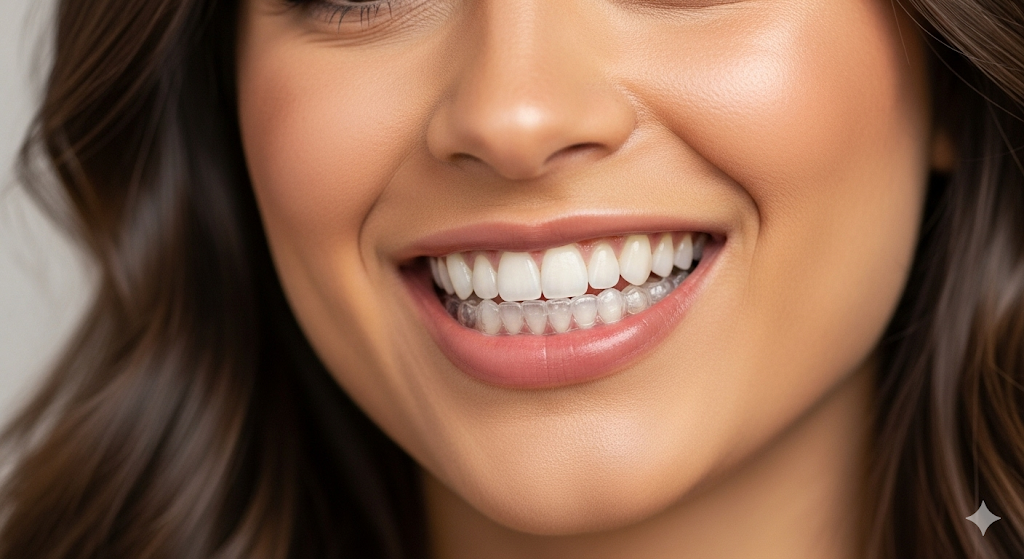
Invisalign Aligner therapy has revolutionized modern orthodontics by combining advanced materials science with precision digital planning. From the outset, patients notice how the smooth, BPA-free plastic trays gently cradle each tooth without the poking wires or bulky brackets of traditional braces. This nearly invisible aligner system allows individuals to maintain their professional image and social confidence while correcting mild to complex malocclusions. Moreover, the custom-engineered fit minimizes everyday irritation to cheeks and gums, making the experience significantly more comfortable than standard orthodontic options.

Comfort through custom-fit trays

Advanced 3D scanning and computer-aided design ensure that each aligner tray fits snugly, yet flexibly, around the dental arches. This meticulous customization distributes gentle pressure across the entire tooth surface, rather than concentrating force at single bracket points. As a result, root movement occurs more evenly, reducing soreness and potential tissue inflammation during initial wear. Patients often report that their aligners feel almost weightless—an attribute that supports consistent, 20-to-22-hour daily wear without interrupting their active lifestyles.

Pressure distribution and material flexibility

The proprietary SmartTrack® material used in clear aligner trays offers both elasticity and controlled rigidity. This dual characteristic allows the trays to adapt to subtle shifts in tooth position over time while maintaining sufficient restorative force. Enhanced memory properties in the polymer mean aligners return to their original shape against tooth surfaces, ensuring predictable biomechanical movement. In practice, this translates to fewer discomfort flare-ups, particularly when transitioning between aligner sets.

Soft edges and reduced gum irritation

Unlike metal braces with sharp edges or protruding ligatures, the stealth design of clear aligners features gently tapered perimeters that hug the gumline. Patients benefit from minimal friction against the soft tissues, significantly lowering the risk of cheek abrasions and ulcerations. This thoughtful engineering encourages diligent wear, since aligners cause fewer distractions or lifestyle modifications than conventional appliances might demand.

Invisalign vs braces comfort: What sets them apart?

Comfort often becomes the deciding factor when patients weigh the pros and cons of orthodontic solutions. The table below highlights key aspects of patient experience, comparing traditional metal braces with the clear aligner approach.

FeatureTraditional BracesInvisalign Aligners
Initial discomfortModerate to high, due to bracket settingsMild, due to gradual plastic tray pressure
Oral hygiene challengesDifficult, with special brushes requiredSimple, trays removed for cleaning
Soft tissue irritationCommon (wire pokes, bracket edges)Rare (smooth tray edges)
Dietary restrictionsSevere (no sticky or hard foods)Minimal (remove aligners when eating)
Adjustment visit frequencyEvery 4–6 weeksEvery 6–10 weeks, digital monitoring option

What makes a nearly invisible aligner so appealing?

The hallmark of this treatment lies in its subtlety. As a nearly invisible aligner, each tray maintains a low profile that blends with the natural color of tooth enamel. This visual discretion empowers individuals to engage confidently in both personal and professional encounters without feeling self-conscious. In marketing studies, adults cite social comfort and aesthetic integrity as prime motivators for selecting clear aligners over etched stainless-steel alternatives.

Aesthetic confidence

By presenting a clean, uncluttered appearance, aligners foster a sense of self-assurance from the very first day of treatment. Many patients comment on the psychological boost they experience when smiling freely during critical moments—job interviews, social gatherings, or milestone celebrations. This intangible benefit often accelerates treatment compliance, as positive reinforcement strengthens dedication to the full course of aligner wear.

How do clear aligners achieve precise tooth movement?

Clear aligner therapy relies on a series of successively adjusted trays, each engineered to guide teeth incrementally toward their ideal positions. Digital treatment planning software constructs a virtual model of the intended tooth movements, broken into phases as small as 0.25 mm of displacement per aligner. When patients switch to the next tray in their series, the gentle recalibration of pressure directs the targeted forces exactly where they are needed. This sequenced approach reduces the trauma associated with larger, abrupt tooth shifts, contributing to both comfort and predictability of outcomes.

Understanding the Invisalign advantage in modern orthodontics

The Invisalign advantage emerges from the synergy of material innovation, 3D imaging, and telemonitoring capabilities. Proprietary SmartTrack® plastic was designed to address earlier limitations in clear aligner performance, yielding more consistent tooth translation and rotational control. Integrated 3Shape or iTero digital scanners generate ultra-precise impressions, eliminating messy putty and enhancing patient comfort. Beyond the clinic visit, secure remote monitoring platforms allow orthodontists to track progress, adjust schedules, and intervene promptly if fine-tuning becomes necessary.

Comprehensive Orthodontic Services alongside clear aligners

Orthodontic success often depends on a holistic treatment approach that addresses jaw alignment, periodontal health, and long-term retention. Many practices that specialize in clear aligner therapy also provide complementary Orthodontic Services such as fixed retainers, functional appliances, and traditional bracket systems for complex bite discrepancies. This integrated model ensures patients receive comprehensive evaluations and solutions tailored to their unique skeletal and dental anatomy.

Who provides professional Invisalign solutions locally?

When selecting an orthodontic partner, patients benefit from proven expertise, state-of-the-art technology, and personalized care pathways. Forward-thinking clinics often staff certified providers with hundreds of completed clear aligner cases and invest in ongoing training to stay current with best practices. For those in urban areas seeking a trusted local office, offices such as Marlo A. Miller, DDS, MS Orthodontics bring together advanced diagnostics, patient-centric amenities, and transparent cost structures to streamline the Invisalign experience.

Getting started with an Invisalign journey

Launching an aligner treatment plan begins with a thorough consultation that evaluates oral health status, skeletal relationships, and aesthetic goals. Initial digital scans capture a high-resolution map of dental arches, while bite registrations inform how upper and lower trays will interlock to guide occlusal development. After discussing proposed timelines and financial options, patients receive a clear roadmap detailing each phase—from tray delivery to retention protocols—ensuring expectations align with clinical realities.

Book your consultation

Interested candidates can schedule their complimentary assessment by navigating to the Contact Us, where they can select convenient appointment times and provide preliminary health information. This simple step connects prospective patients with certified orthodontic specialists ready to customize every aspect of their clear aligner treatment journey.

Initial digital scan and treatment plan

During the first in-office visit, clinicians employ digital impression scanners to capture a three-dimensional model of the patient’s dentition. Using advanced treatment visualization software, orthodontists simulate movements, fine-tune staging, and preview projected end-results. Patients then review their bespoke plan, complete with expected duration, number of aligners, and retention strategy, before the manufacturing process begins.

What Is an Invisalign Aligner?

To demystify terminology for new patients, the What Is an Invisalign Aligner resource page clearly outlines the science behind the trays, the role of attachments, and the sequence of wear. This educational hub bridges gaps in understanding and sets the stage for informed consent. By framing the concept of coordinated tray changes within a digital workflow, the page reinforces transparency and fosters patient empowerment from day one.

Maintenance and care for maximum comfort and results

Proper hygiene and handling practices prolong tray clarity and prevent oral health complications during treatment. The hands-on process of removing, cleaning, and reinserting aligners requires diligence but quickly becomes part of a streamlined daily routine. Patients find that investing three to five minutes in alignment upkeep significantly enhances wear comfort and ensures consistent force application throughout the treatment course.

Cleaning and nighttime wear

Removing aligners for meals and brushing protects against food trapping and enamel staining. Clinicians recommend rinsing trays under lukewarm water and lightly brushing with a soft-bristle toothbrush. Nighttime wear may coincide with thicker aligner designs that deliver minor refinements as patients sleep, optimizing convenience and reducing daytime switch-over frequency.

Avoiding stain and ensuring fit

Coffee, tea, and richly pigmented foods can leave residual discoloration if left on tray surfaces overnight. To maintain the pristine appearance of clear aligners, patients should avoid consuming staining agents while wearing trays and use recommended cleaning crystals or specialized foaming solutions. Regular fit checks confirm that each new aligner seats fully; any areas of persistent lift warrant prompt clinician review.

Typical treatment duration and post-treatment care

Below is an illustrative timeline for average clear aligner therapy phases and subsequent retention protocols:

PhaseDurationPurpose
Initial Phase (Aligners 1–10)4–5 monthsCorrect mild crowding and spacing
Intermediate Phase (11–20)4–6 monthsRefine bite alignment and occlusion
Final Phase (21–30)3–5 monthsAchieve ideal tooth positions
Retention PhaseIndefinite nightlyStabilize outcomes with clear or fixed retainer

This sample timeline may vary based on case complexity, patient compliance, and the presence of adjunctive procedures such as interproximal reduction or attachment placement.

Conclusion

Invisalign Aligner therapy offers an unparalleled combination of comfort, discretion, and predictable, clear results that meet the needs of today’s busy professionals and image-conscious individuals. By harnessing digital diagnostics, advanced material science, and patient-focused service models, clear aligners streamline orthodontic care without compromising on efficacy. Those seeking a seamless path to a straighter smile can trust Marlo A. Miller, DDS, MS Orthodontics to deliver expert supervision, cutting-edge technology, and compassionate guidance throughout every phase of treatment.

Frequently Asked Questions

How long do patients need to wear their Invisalign Aligners each day?

For optimal results, patients should wear their trays for 20 to 22 hours daily, removing them only for eating, drinking anything other than water, and routine oral hygiene. Consistent wear supports the gentle force necessary to guide teeth through each planned movement.

Does Invisalign treatment cause pain or discomfort?

While mild pressure and transient soreness are common during the first two days after switching to a new tray, most patients describe this sensation as manageable. The low-force design helps minimize pain compared to the adjustments required for metal braces.

Can adults benefit from Invisalign therapy as much as teens?

Absolutely. Clear aligners are FDA-approved for adults and adolescents alike, addressing a range of orthodontic issues from simple crowding to moderate malocclusions. Compliance tends to be higher in adult patients, who often value discretion in professional environments.

What foods should patients avoid while wearing aligners?

Since aligners must be removed before eating, there are effectively no dietary restrictions beyond the requirement to rinse and clean trays before re-insertion. Avoid leaving trays out for extended periods to prevent misplacement or damage.

How often do aligners need to be changed?

Patients typically progress to the next aligner in their series every 7 to 14 days, as prescribed by their orthodontist’s treatment plan. Digital monitoring may allow extended intervals when movement milestones are consistently met.